
Understanding Sedation in Dentistry
What is sedation dentistry?
Basically, sedation dentistry involves giving you some kind of medication to help you relax enough for a procedure. This can range from something like nitrous oxide to a pill like Valium to help relax you, all the way up to IV sedation.
Why is sedation dentistry so effective in treating anxiety about dental procedures?
Sedation dentistry is effective in treating anxiety about dental procedures because it calms the nerves. It makes you relax enough so that you can safely and efficiently get dental treatment done.
Is oral sedation safer than general anesthesia?
They're really two different approaches. Oral sedation involves taking a small pill usually related to Valium, whereas general anesthesia is typically used in a surgical setting in a hospital, where medications are administered to put you unconscious, and your breathing needs to be supported. With oral sedation, we never get you that far asleep; you're breathing on your own, making it much safer.
What are types of dental sedation?
There are basically three types of dental sedation. There is inhalation sedation, which involves using nitrous oxide with oxygen to help calm your nerves. There's moderate sedation, which is broken down into two methods: oral sedation, where you're given a tablet or a liquid orally to help calm your nerves, and IV sedation, where we start an IV and administer the drugs through the IV line.
Do you need sedation for a tooth extraction?
Generally, the answer is no. People who need sedation are those who are maybe dental phobic or have a high degree of anxiety. We administer sedation to help them be relaxed enough so we can complete the procedure safely and efficiently.
Are you awake under sedation?
The answer is, you are awake. You are breathing for yourself and are responsive. For example, if I need you to open wider, I can ask you to do so. However, the medications we use for sedation give you amnesia, so you usually don't remember the procedure that was done.
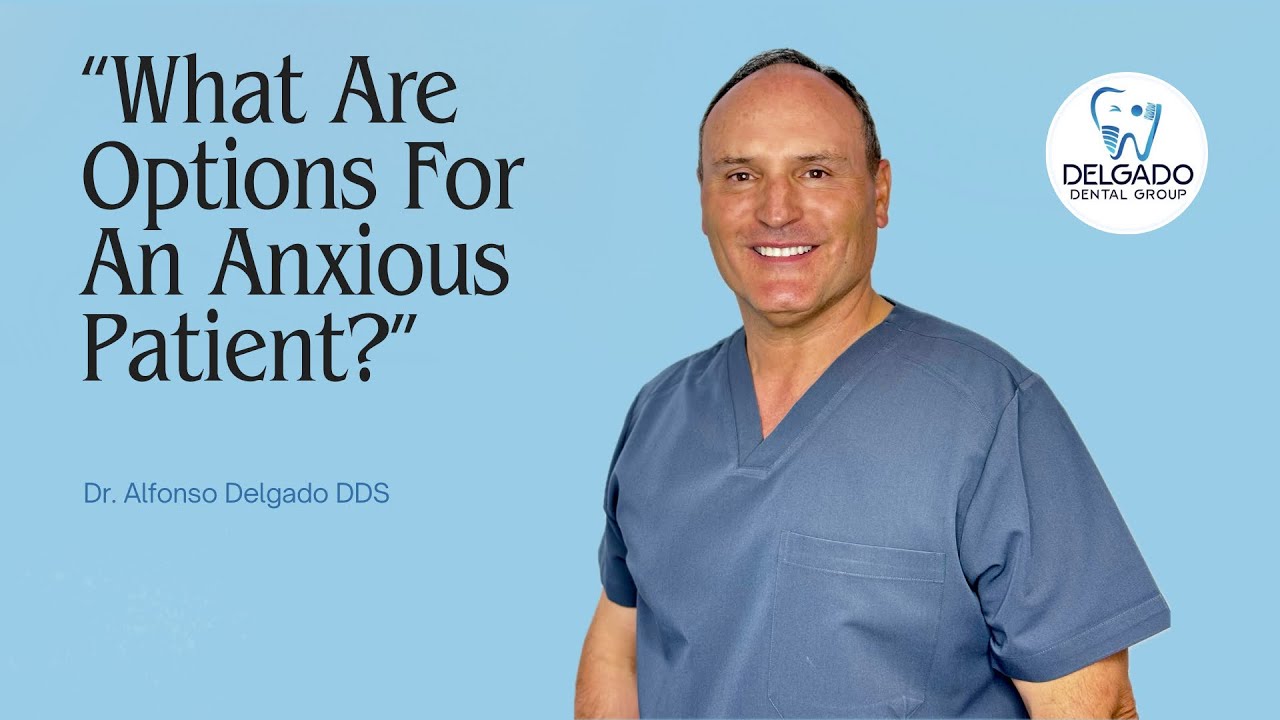
What Are Options for an Anxious Patient?
For anxious patients, we have different ways of helping you feel comfortable. If you're really anxious, we offer IV sedation. With IV sedation, we'll start an IV and give you medication so that you're relaxed and comfortable during the procedure and won’t remember what was done.
While you're under IV sedation, you will still be responsive—you’ll be able to follow basic commands like opening and closing your mouth. However, even with IV sedation, we still administer local anesthetic, just like you would receive for a filling. We make sure to give you enough local anesthetic in all areas of your mouth to ensure you're comfortable.
If at any point you feel discomfort and let us know, we’ll administer a little more anesthetic to keep you comfortable throughout the procedure. With IV sedation, though, you likely won’t even remember what we did.
Is sedation dentistry painless?
That's a bit hard to answer, similar to asking if dentistry is painless. With sedation dentistry, because you're relaxed, we're able to perform the treatment more efficiently and safely, which can make it less painful afterward. Also, we can administer medications that help with swelling and pain.
What are possible side effects of sedation dentistry?
Some possible side effects of sedation dentistry include feeling sleepy for the rest of the day, which is probably the biggest side effect. For some people, sedation dentistry can cause a bit of nausea, depending on how they react to the medications. There can be other side effects, which are very rare, but some people don't tolerate the medications as well as others.
How can I request sedation during my next dental procedure?
If you’re looking for dental care you can trust, call us at (209) 474-8888 or email [email protected]. We’re here to help you have the smile you've always wanted!